Mastering 3D Text Editing: The Power of Prince - 3D Text Editable Style
In the ever-evolving world of digital design, the demand for visually striking and highly customizable elements has never been higher. Among the many tools available to designers, Prince - 3D Text Editable Style stands out as a versatile and powerful solution that caters to both professionals and creative enthusiasts. This Adobe Illustrator vector design offers a unique blend of functionality and aesthetics, making it an essential addition to any designer’s toolkit.
Whether you're working on branding, web design, or print media, the ability to create and edit 3D text effects is a valuable asset. With Prince - 3D Text Editable Style, users can transform plain text into dynamic visual elements that capture attention and convey depth. This tool not only enhances the look of your designs but also streamlines the workflow, allowing for seamless customization without compromising quality.
Understanding Prince - 3D Text Editable Style
Prince - 3D Text Editable Style is a vector-based design created in Adobe Illustrator, offering users the flexibility to modify text in three dimensions. Unlike traditional 3D text generators that produce static images, this design allows for real-time editing. You can adjust size, shape, and perspective with ease, ensuring that your text fits perfectly within any project.
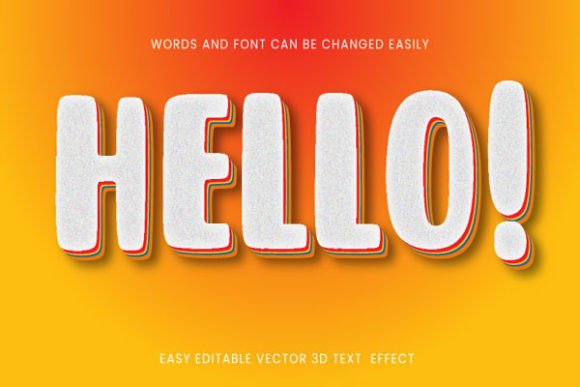
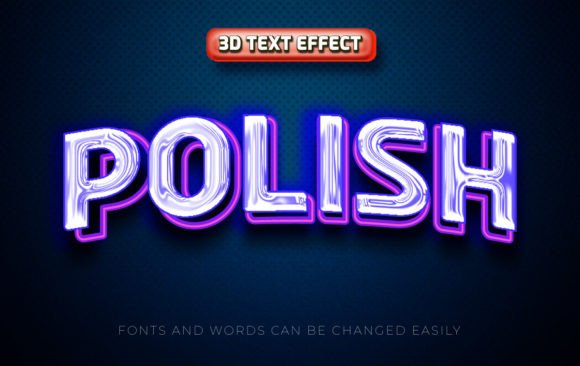
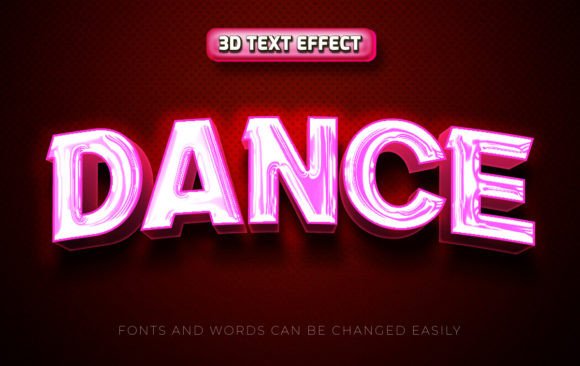
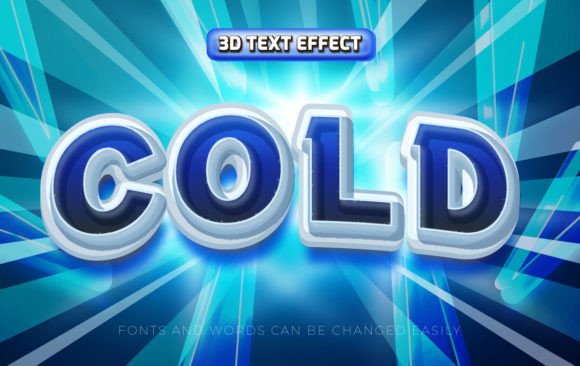
The design includes a preview JPG file, giving users a clear idea of what the final product will look like before applying it to their work. This feature is particularly useful for those who are new to 3D text editing, as it provides a visual reference and helps in making informed decisions about how to use the style in different contexts.
One of the standout features of Prince - 3D Text Editable Style is its fully editable nature. Users can enter their own text by simply clicking and typing, eliminating the need for complex software or extensive design knowledge. This makes it accessible to a wide range of users, from seasoned designers to beginners looking to enhance their creative projects.
Why It Matters in Today’s Creative Landscape
The rise of digital content creation has led to an increased demand for visually engaging assets. In industries such as marketing, advertising, and graphic design, the ability to create eye-catching 3D text is more important than ever. Prince - 3D Text Editable Style meets this demand by providing a solution that is both efficient and effective.
As businesses strive to stand out in a crowded market, the use of 3D text can help differentiate their brand. Whether it's for social media posts, website headers, or promotional materials, the right 3D text effect can elevate the overall visual appeal and make a lasting impression on the audience.
Moreover, the trend towards personalization and customization in design has made tools like Prince - 3D Text Editable Style increasingly relevant. Designers and marketers are no longer satisfied with generic templates; they want solutions that allow for unique expression and tailored results. This design empowers users to create one-of-a-kind text effects that align with their brand identity and creative vision.
Practical Applications and Use Cases
The versatility of Prince - 3D Text Editable Style makes it suitable for a wide range of applications. Here are a few examples of how this design can be used:
- Branding and Logo Design: Create custom 3D text for logos, business cards, and other branding materials that reflect a company's personality and values.
- Web and UI Design: Enhance user interfaces with 3D text elements that add depth and visual interest to websites and mobile apps.
- Print Media: Use the design in brochures, posters, and advertisements to create striking visuals that grab attention and communicate key messages effectively.
- Social Media Content: Customize 3D text for Instagram posts, Facebook banners, and Twitter graphics to make content more engaging and shareable.
These applications demonstrate the practical value of Prince - 3D Text Editable Style in various creative fields. By incorporating 3D text into their designs, professionals can enhance the visual impact of their work and meet the evolving expectations of their audiences.
How It Fits Into Broader Trends
The growing popularity of 3D design elements reflects broader trends in technology and consumer behavior. As digital platforms continue to evolve, there is a greater emphasis on immersive and interactive experiences. Prince - 3D Text Editable Style aligns with this shift by enabling designers to create more dynamic and engaging content.
Additionally, the increasing use of AI and automation in design workflows has made it easier for users to access advanced tools without requiring extensive technical skills. Prince - 3D Text Editable Style exemplifies this trend by offering a user-friendly interface that simplifies the process of creating and editing 3D text. This accessibility ensures that even those with limited design experience can produce high-quality results.
Furthermore, the demand for personalized and customized content has driven the development of tools that prioritize flexibility and adaptability. Prince - 3D Text Editable Style meets this need by allowing users to tailor their designs to specific projects and requirements. This level of customization is especially valuable in industries where uniqueness and originality are key differentiators.
Conclusion
Prince - 3D Text Editable Style is more than just a design tool—it's a powerful solution that empowers creators to bring their visions to life. With its editable nature, intuitive interface, and wide range of applications, it offers a compelling alternative to traditional 3D text generation methods. Whether you're a professional designer, a marketer, or a creative enthusiast, this Adobe Illustrator vector design provides the flexibility and functionality needed to elevate your work.
In a world where visual storytelling and digital engagement are paramount, the ability to create impactful 3D text is a valuable skill. By leveraging Prince - 3D Text Editable Style, designers can stay ahead of the curve and deliver content that resonates with their audiences. As the creative industry continues to evolve, tools like this will play an essential role in shaping the future of design and communication.